


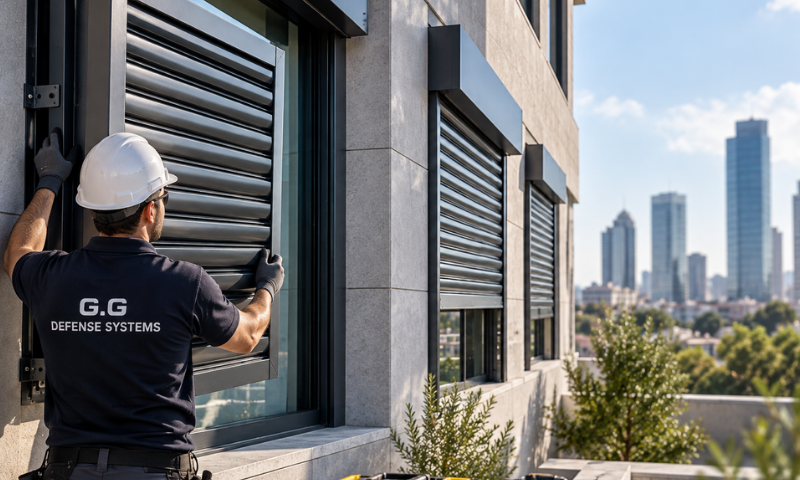
Upgrading security in an existing building is more complex than planning a new project. The structure already has fixed openings, mechanical systems, occupied spaces and architectural limitations. This is especially relevant when ventilation openings remain exposed while the surrounding façade is reinforced. For facility owners, consultants and engineers, the challenge is to improve protection without creating unnecessary disruption or compromising airflow. bullet proof louvers can provide a practical way to strengthen ventilation openings while preserving their functional role. In retrofit projects, selection should begin with a clear understanding of the existing opening, wall construction, airflow demand, maintenance access and required protection level. The goal is to introduce a solution that works with the building as it exists and continues to support normal operation after the upgrade.
Why Are Existing Ventilation Openings Important in a Security Upgrade?
Existing buildings frequently contain ventilation openings that were designed before current security requirements were considered. They may serve generator rooms, mechanical spaces, parking areas, utility rooms or control rooms where continuous airflow remains essential. When walls, glazing or doors are upgraded, these openings can become areas that require additional attention because they connect interior spaces directly with the exterior. Their size and location can make modification difficult. bullet proof louvers allow project teams to address these openings while retaining ventilation, yet the surrounding conditions must be reviewed carefully. Engineers should examine dimensions, wall thickness, access, nearby ducts, services and equipment. The direction of exposure is also relevant because the opening may face a road, parking area, service yard or open perimeter. Understanding these conditions early helps determine whether the existing opening can remain in place, needs modification or should be integrated with additional protective elements.
How Can Protected Louvers Be Added Without Disrupting Building Operation?
A retrofit project often takes place in a building that must remain active throughout the upgrade. Offices continue operating, equipment stays online and technical teams still need access to mechanical areas. This differs from new construction, where openings can be designed around the selected solution. Installing bullet proof louvers in an existing facility requires coordination with available space and systems already in use. The opening may connect directly to ductwork, fans, filters or acoustic elements, so dimensions cannot be changed without reviewing their effect on ventilation performance. Access is equally important. Maintenance teams need to reach filters, motors and other components after installation, and the protective assembly should preserve practical service access. In some buildings, the external elevation is subject to architectural restrictions. The selected solution should therefore account for security, airflow, access and appearance within the same opening. Good coordination reduces the risk of later adjustments that could interfere with mechanical performance or the intended protection level.
What Should Be Checked Before Specifying a Retrofit Solution?
A successful retrofit begins with accurate information about the existing building. The project team should confirm the dimensions of each opening, the construction of the surrounding wall, the condition of the supporting structure and the available depth for a new assembly. Mechanical data is also essential, including required airflow, intake or exhaust direction, acceptable pressure drop and any filtration or weather protection already installed. Security consultants should define the relevant threat level and the protected area behind the opening. bullet proof louvers should be selected according to these combined requirements rather than by opening size alone. The wall itself should also provide a compatible level of resistance around the opening. Existing services can influence installation as well. Cables, pipes, ducts or structural elements may occupy the space needed for anchoring or maintenance. Changes to one opening may affect airflow elsewhere. Reviewing these details before final specification allows architects, engineers and security professionals to coordinate the solution with fewer changes during installation.
When Is Retrofit Protection Most Valuable for an Existing Facility?
Security upgrades are often considered when a building changes use, receives new equipment, undergoes renovation or faces updated risk requirements. A former office building may become a government facility, a commercial property may add a critical control room, or an industrial site may strengthen specific areas after a new security assessment. These moments create an opportunity to review ventilation openings alongside doors, glazing and wall construction. bullet proof louvers can be especially relevant when the building already has large external openings that cannot simply be closed because they serve essential mechanical functions. Timing the upgrade with other renovation work can also make coordination easier, since access to walls, ducts and services may already be available. Facility managers should consider future maintenance and equipment changes. A ventilation opening that is suitable for current demand may need greater airflow later, so the protective solution should be evaluated in the context of expected use. Early planning gives the project team more flexibility to address structural, mechanical and architectural limitations before final decisions are made.
A Retrofit Upgrade Should Strengthen the Entire Opening
Improving security in an existing building requires attention to the details that connect the protected interior with the outside environment. Ventilation openings are an important part of that assessment because they must continue performing a practical function after the security upgrade. bullet proof louvers can help strengthen these areas while maintaining required airflow, provided that the surrounding wall, opening dimensions, mechanical system and threat requirements are considered together. Retrofit projects benefit from accurate site information and early coordination between architecture, mechanical engineering and security planning. The result should support routine operation, maintenance access and the defined protection needs of the facility. Existing constraints can be managed when the solution is selected according to real site conditions. A careful review before installation helps create an upgrade that fits the building and supports long-term use. This broader assessment helps decision makers avoid isolated upgrades and ensures that ventilation, access, structural compatibility and security requirements remain aligned throughout the useful life of the facility during future building changes.
G.G. Defense Systems for Existing Building Security Upgrades
G.G. Defense Systems provides protective solutions for commercial, industrial, public and critical facilities that require stronger security around existing openings. The company offers fixed and movable louver solutions that can be integrated into new construction and retrofit projects, with options suited to different project requirements and building conditions. For facility owners and professional teams, strengthening an existing ventilation opening while preserving its operational purpose can improve the overall quality of the security upgrade. If your building includes exposed ventilation openings and you are planning a security improvement, contact G.G. Defense Systems for an initial consultation and a professional review of the protection requirements, existing conditions and functional needs of the facility.