


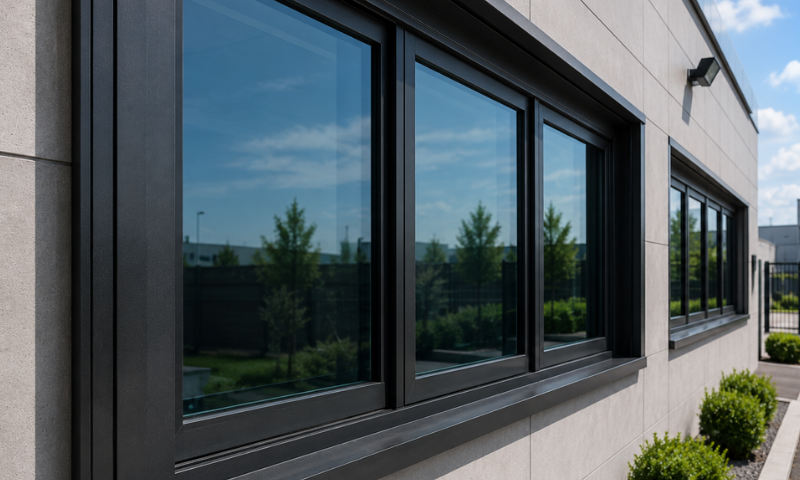
Specifying bullet proof windows is the beginning of a long-term protection decision. Unlike standard glazing, ballistic-rated windows are built from certified materials that must continue performing under demanding conditions for many years. They may include layers of glass, polycarbonate, special interlayers, protective framing and tested anchoring systems, all designed to work together under specific threat levels. For procurement managers, facility managers and security directors, this raises an important question: what happens after installation? A window may meet the right standard on day one, but long-term protection depends on environmental exposure, inspection, maintenance, documentation and replacement planning. Understanding the full lifecycle before specifying is essential for any organization that wants reliable protection over time.
How long do bullet proof windows actually last?
The lifespan of bullet proof windows depends on materials, climate, exposure to sunlight, humidity, frame quality and daily use. In protected indoor areas, ballistic glazing may remain serviceable for many years with proper inspection and care. In harsh external environments, the system may age faster. UV exposure can affect polycarbonate layers or interlayers over time. Moisture can increase the risk of delamination if seals are damaged. Temperature changes can place stress on frames, gaskets and joints. Coastal environments, desert heat and heavy pollution can also influence durability. For this reason, it is better to think in realistic performance horizons rather than assume that every installation will age the same way. A ten-year installation in a controlled lobby is different from a long-term installation exposed to strong sun, dust and weather. The window, frame and surrounding structure all affect the result. Long-term planning should include periodic inspections, clear maintenance routines and a supplier that can explain what signs of aging require attention.
Can ballistic glazing be repaired after damage?
Repair depends on the type and location of the damage. Some components around bullet proof windows may be repairable, such as hardware, external seals, gaskets, minor frame issues or surrounding finishes. These repairs can help maintain weather resistance, appearance and daily usability. Damage to the ballistic glazing itself is different. If the certified glass layers, polycarbonate layers or internal structure are compromised, the original ballistic performance may no longer be valid. A visible crack, delamination, deep impact mark or penetration-related damage should be reviewed by a qualified professional before the window is treated as protective. In many cases, the glazing unit may need replacement, especially if the certified protective layers have been affected. Documentation is also important. Facility managers should keep records of product specifications, test certificates, installation details, inspection reports and any repairs performed over the years. For high-risk sites, repair decisions should never be based only on appearance. The key question is whether the system still supports its certified role.
How can compliance be maintained over the full lifecycle?
Maintaining compliance is one of the most important responsibilities after installation. Bullet proof windows are part of a certified protection concept, and that certification depends on the right glazing, frame, anchoring and installation conditions. Over time, changes to the building can affect this system. A renovation may alter surrounding walls. A tenant change may create a new risk profile. A security upgrade may require a higher ballistic rating. A damaged frame may be repaired with non-compatible parts. Each of these changes can affect compliance. To manage this properly, organizations should keep a technical file that includes laboratory certification, rating level, supplier documentation, drawings, installation records and inspection history. Periodic inspections should review seals, frames, hardware, signs of delamination, impact marks, water ingress and movement around the opening. When ownership or security classification changes, the window system should be reviewed again to confirm that it still matches current requirements.
What should buyers ask before committing to a supplier?
The best time to ask lifecycle questions is before the order is placed. A strong supplier should be able to explain the ballistic rating, provide laboratory documentation, clarify expected service life and describe how the system should be inspected over time. Buyers should ask whether replacement components will remain available, whether frames are compatible with future re-glazing, what the warranty includes, and which types of damage require replacement instead of repair. It is also important to ask how the supplier supports clients after installation. Does the company provide documentation for facility teams? Can it assist with future inspections? Does it understand the difference between glass performance, frame performance and full-system performance? These questions matter because bullet proof windows are part of the building’s security infrastructure and may need to perform for many years. A supplier that understands lifecycle performance can help clients specify a system that remains manageable, documented and aligned with long-term security needs.
Summary
Bullet proof windows are a long-term infrastructure commitment. Their value is measured not only by how they perform during testing, but also by how well they are maintained, documented and managed throughout years of use. Environmental exposure, seal condition, frame integrity, glazing performance and compliance records all influence long-term reliability. Facility managers and security directors should understand these factors before specifying a system, because early decisions affect maintenance, replacement and compliance later. The best installations are planned with the full lifecycle in mind, from specification and installation through inspection, repair decisions and eventual replacement.
G.G. Defense Systems
G.G. Defense Systems designs and installs bullet proof windows tested in certified live-fire laboratories in Israel and internationally. Our team understands that ballistic protection must remain reliable long after installation, which is why we support clients with certified products, professional documentation and solutions designed for long-term performance. We work with facility managers, security consultants, procurement teams and building owners to match protection levels to real operational needs and to help clients plan beyond the first day of installation. If you are considering bullet proof windows for a sensitive facility, commercial building, public site or infrastructure project, contact G.G. Defense Systems to discuss your project requirements and long-term protection strategy.