


How can public buildings stay usable after a blast event?
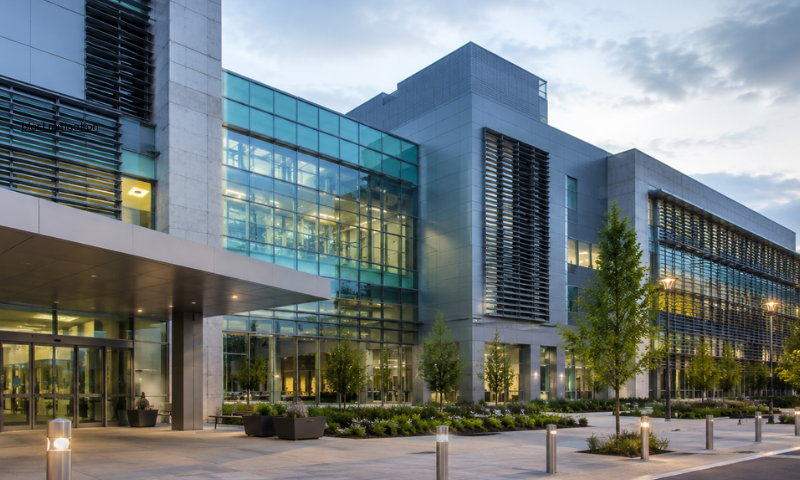
Public-facing buildings carry a special responsibility because they are designed for constant movement, regular service and a wide mix of people. A municipal service center, healthcare campus, transport building, academic facility or administrative complex is expected to remain accessible, organized and functional even under pressure. That expectation creates a different way of thinking about protection. In these environments, the concern is not limited to whether a structure can withstand a single event. The real concern is whether people can still move safely, whether the building can still support essential services and whether operations can continue in some form instead of collapsing into confusion. This is where blast mitigation becomes especially important. It helps reduce disruption, limit secondary damage and improve the chances that a site can remain manageable after an incident. For public buildings with continuous foot traffic and shared spaces, that wider purpose matters because the building serves more than one function and more than one group at a time.
Why do public campuses face a different kind of risk?
A public campus or service building is rarely used in one simple way. It may host staff, visitors, contractors, students, patients, suppliers and support teams all within the same day. Each group enters the site with different needs, and each part of the building may play a different role in keeping the whole operation running. A blast-related event in this kind of setting affects more than walls and openings. It affects access routes, waiting areas, entry points, technical rooms, control spaces and the ability of people to understand where to go next. That is why blast mitigation must be viewed as part of how the site functions as a whole. If a building remains standing but circulation is blocked, glazing fails inward, internal rooms become unsafe or service areas stop working, the damage spreads quickly through the operation. Public buildings need a strategy that supports safety, direction, continued access and some level of continuity immediately after the event.
Which areas matter most when continuity is part of the goal?
In active public environments, some spaces carry more weight than they first appear to. Entrances are important because they shape how people move in and out, but other zones are just as critical when continuity is the goal. Internal circulation routes, protected waiting areas, reception points, control rooms, communications spaces, service corridors and utility rooms all influence whether the building can continue to function in a controlled way. If a blast event damages one of these spaces badly enough, the result may be confusion, unsafe crowd movement or a complete stop in operations even when the structure itself remains intact. This is why blast mitigation needs to be considered across the full path of occupancy and building use, not only at the most visible perimeter points. A campus may need to keep one side of the site active while another area is isolated. A public service building may need to guide visitors through a reduced but still safe operating pattern. The more public the building, the more important it becomes to identify which spaces support controlled continuity and to protect them accordingly.
How does blast mitigation support safer movement and clearer recovery?
One of the least discussed parts of a blast event is what happens in the first minutes after the initial pressure wave has passed. People need direction, exits need to work, internal routes need to stay understandable and essential teams need access to the areas they manage. If a building is technically still standing but circulation becomes dangerous or unclear, recovery becomes much harder. This is one of the strongest arguments for treating blast mitigation as a planning strategy rather than as a single product decision. Stronger facades, openings, internal reinforcements and protective systems can all contribute to keeping pathways usable and reducing the types of damage that create panic or block safe movement. In public campuses, this matters because people on site may not know the building well. They depend on the environment itself to remain legible during an emergency. In service buildings, it matters because staff often need to keep helping others while also protecting themselves. Effective blast mitigation improves the chance that the building remains organized enough for emergency procedures, temporary service continuity and a more controlled path to recovery.
Why should blast mitigation be matched to how the building is actually used?
The most effective protection strategies are based on real use patterns, not only on general threat categories. A public building with steady visitor traffic during the morning, technical operations in the afternoon and maintenance access at night has very different needs from a single-purpose facility. The same is true for mixed-use campuses where one part of the site may support administration, another part education, and another part technical systems or service delivery. In these settings, blast mitigation should reflect the practical life of the building. That means understanding where people gather, which rooms keep the operation running, which routes must remain clear and which elements of the envelope create the greatest operational consequences if they fail. Once those questions are answered, the site can be strengthened in a way that supports both security and real function. For public and service environments, this makes the investment in blast mitigation easier to justify because the logic is tied directly to safety, usability and operational resilience.
Summary
Public campuses and service buildings need a wider conversation about protection because their responsibility continues after the initial event. They serve different kinds of people, support multiple operations and rely on movement, access and clarity to stay useful under pressure. In these environments, blast mitigation has value far beyond resisting force. It supports safer circulation, protects key rooms, reduces secondary damage and helps the building remain manageable during recovery. That is what makes it especially relevant for facilities that must stay open, guide people clearly and maintain essential services.
G.G. Defense Systems
G.G. Defense Systems works with clients who need protection strategies that match the real life of their buildings. We understand that public campuses and service environments cannot be treated like simple structures with one use and one flow of people. They need practical solutions that support security, continuity and day-to-day function at the same time. Our experience in blast mitigation includes protective systems for openings, facades, critical rooms and broader building envelopes, all developed to help clients strengthen both resilience and usability. If you are responsible for a public-facing facility and want a protection approach that supports safe movement, operational continuity and smarter recovery planning, this is the right time to review your site. Contact G.G. Defense Systems and let us help you build a stronger, more resilient environment that is prepared for real-world demands.