


Why Risk Assessment Matters in Blast Mitigation
In an unpredictable world, where threats to critical infrastructure, commercial properties, and governmental buildings continue to evolve, blast mitigation has become more than a precaution. These days it’s a necessity. But effective blast mitigation doesn’t start with installing thick walls or blast-resistant louvers. It begins much earlier, with a comprehensive understanding of the specific risks involved. This is where risk assessment plays a vital role. Without it, even the most sophisticated mitigation measures can fall short.
So What Is Risk Assessment and How Does It Relate to Blast Mitigation?
Risk assessment is the structured process of identifying potential threats, analyzing their likelihood, and evaluating the impact they may have on people, property, and operations. In the context of blast mitigation, this means understanding not just the threat of explosions, but where they may originate, how they could affect a building’s structure, and what kind of damage might occur.
A detailed risk assessment informs every aspect of blast mitigation planning—from selecting the right materials to deciding on the layout and design of protective systems. It helps decision-makers balance cost, functionality, and safety, ensuring that protection is applied where it is truly needed.
What are Key Components of a Blast-Focused Risk Assessment
Threat Identification
The first step is identifying the most relevant threats. Is the building located in a high-risk zone? Is it a potential target for sabotage, terrorism, or industrial accidents? Different types of facilities: military, commercial, governmental. Each faces unique risks. A school in a quiet suburb does not require the same level of protection as an oil refinery or an embassy.
Vulnerability Analysis
Once threats are defined, the next step is to evaluate how vulnerable the structure is. Which parts of the building are most exposed? Are there unreinforced windows, unsecured entry points, or walls that could collapse under pressure? This analysis reveals weak spots that require prioritization in the blast mitigation plan.
Consequence Evaluation
Here, the focus shifts to the potential impact. What would happen if an explosion occurred? Could lives be lost? Would critical infrastructure fail? How long would recovery take? Understanding the consequences helps determine acceptable levels of risk and how much mitigation is necessary.
How Risk Assessment Guides Material Selection and System Design
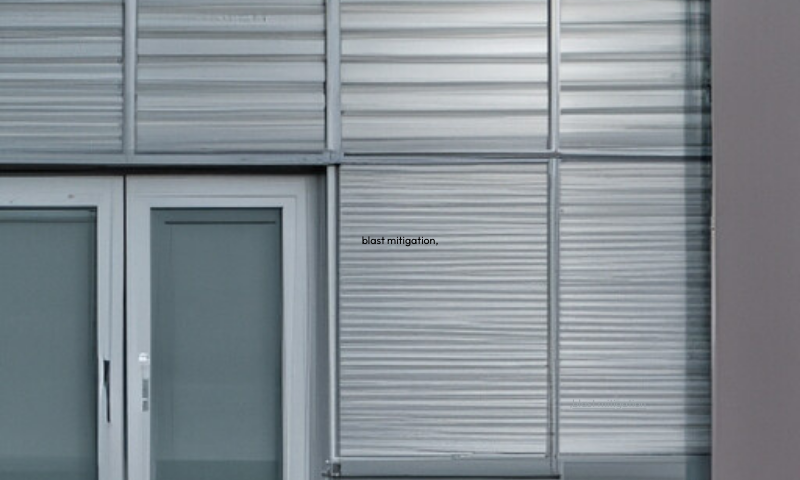
Armed with insights from the assessment, planners can now make informed choices. For instance, areas identified as highly vulnerable might be reinforced with blast mitigation panels or blast-resistant louvers. Less critical zones may receive lower-cost solutions that still provide baseline protection.
This process ensures that resources are allocated efficiently. Rather than over-protecting some areas while under-protecting others, mitigation is precisely tailored to the facility’s true needs.
Case Study: Applying Risk Assessment to Industrial Facilities
Consider a manufacturing plant located near a volatile industrial zone. A risk assessment reveals that its control room and storage areas are most susceptible to blast pressure due to their proximity to external walls and flammable substances. By focusing mitigation efforts, such as installing blast-resistant louvers and reinforced doors—in these specific zones, the plant is able to maintain functionality even in the event of an explosion, while keeping costs manageable.
Common Mistakes in Blast Mitigation Without Proper Risk Assessment
Skipping or underestimating the risk assessment phase can lead to costly errors:
- Over-mitigation, where unnecessary measures inflate costs without adding real value.
- Under-mitigation, where critical vulnerabilities remain unprotected.
- Mismatched materials, where the chosen solutions do not align with the specific threat profile.
Each of these can compromise the effectiveness of the overall mitigation strategy.
From Assessment to Action – Steps Toward Safer Facilities
Risk assessment is not a one-time task. It should be integrated into the ongoing safety strategy of any organization. Regular updates, new threat evaluations, and evolving building use cases all require reassessment.
The process can be summarized in four steps:
- Identify threats.
- Analyze vulnerabilities.
- Evaluate consequences.
- Implement tailored blast mitigation solutions.
Organizations that follow this model position themselves for long-term security, business continuity, and peace of mind.
Questions and Answers on Blast Mitigation Risk Planning
How often should a risk assessment be conducted?
At least once every few years or whenever there is a major change in building use, local threat levels, or infrastructure updates.
Who is responsible for conducting a risk assessment?
Typically, safety officers, facility managers, or external security consultants work together to conduct thorough evaluations.
Can older buildings benefit from modern blast mitigation?
Absolutely. Retrofit solutions such as blast-resistant louvers or wall fabrics can be integrated without compromising the building’s original architecture.
Is blast mitigation only relevant for high-risk buildings?
Not necessarily. Many commercial and public spaces benefit from mitigation measures, especially in regions with security concerns or high industrial activity.
Conclusion: Secure Planning Begins with Understanding Risk
Effective blast mitigation is not about applying generic solutions. It’s about understanding your unique exposure and responding with intelligence and precision. Risk assessment is the compass that guides this journey. It is a pointing toward the areas that truly require protection and helping you choose the right tools for the job.
Marketing Paragraph: Why Choose GG Defense Systems?
GG Defense Systems combines years of experience with cutting-edge technology to offer blast mitigation solutions tailored to your needs. From conducting professional risk assessments to designing and installing blast-resistant louvers, reinforced structures, and wall fabrics, we ensure every project is secure, efficient, and built to the highest standards. Contact us today to start building a safer future—one wall at a time.