


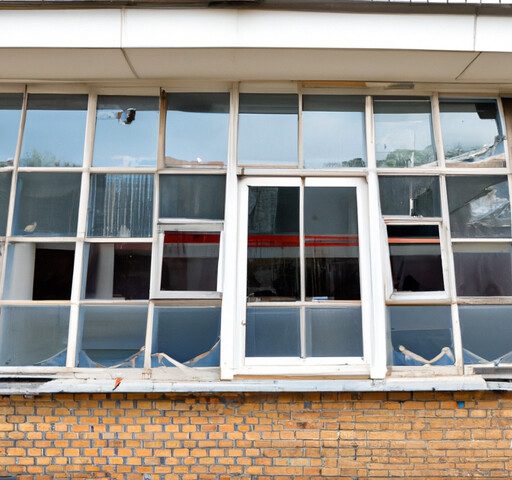
Explosions, whether acts of terror or tragic accidents, pose a silent menace that could shatter lives and infrastructure in an instant. In Israel, known for its vigilance in confronting such perils, the quest for robust blast mitigation solutions is not just a matter for defense experts—it’s an imperative for the safety of public spaces and the people within them. The discernment of blast mitigation methods is a conversation that cannot be relegated to the background but must be brought to the fore with resolve and understanding. Here, we embark on a critical dialogue to navigate through the complexities of blast mitigation, delving into the science that shields our sanctuaries and offers us fortitude in the face of unseen dangers.
Understanding Blast Mitigation
In an era where security threats loom at every corner, blast mitigation emerges as a critical component of modern safety protocols. The term encapsulates the array of techniques and materials designed to alleviate the impact of explosions, safeguarding not just the structural integrity of buildings but also the precious lives within. As terrorist activities have shown an insidious increase, particularly within public domains, the deployment of blast mitigation strategies has gained paramount importance. It should be grasped that a blast wave, a rapid shockwave stemming from an explosion, poses a multifaceted threat to edifices and humans alike. Hence, comprehending the core principles of blast mitigation is essential for any endeavor to ensure resilience against these peal forces. Recognizing the energy distribution, reflection, and interaction with various surfaces underpins the strategies employed in blast mitigation, guiding the design and application of solutions tailor-made to counter the perils wrought by explosive forces.
Types of Blast Mitigation Solutions
The spectrum of blast mitigation solutions is diverse, each designed to absorb or deflect the energy unleashed by an explosive event. Broadly categorized into passive and active systems, these solutions approach blast protection with distinct methodologies. Passive solutions, which are integrated into the very fabric of a space, might include the incorporation of blast-resistant building design elements such as exterior cladding, reinforced concrete, or structural steel. On the other hand, protective glazing systems serve to prevent hazardous shards from flying debris, thereby mitigating injury within blast-affected zones.
Active solutions, in contrast, involve responsive or dynamic technologies designed to act the moment a blast occurs. These include revolutionary blast curtains, which can quickly deploy to absorb shock waves, and modular blast barriers that provide temporary or permanent protection to vulnerable structures. Furthermore, modern advancements have introduced blast-resistant coatings, capable of reinforcing existing walls and surfaces to withstand explosive pressures. Each technology adheres to specific working principles, such as dissipating, reflecting, or redirecting blast forces, which are critical in safeguarding people and infrastructure from the traumatic impact of explosions.
Factors to Consider when Choosing a Blast Mitigation Solution
The process of selecting an appropriate blast mitigation solution demands a thorough analysis of various critical aspects. It is essential to start with precise blast load calculations to understand the magnitude of pressure and impulse that a structure might face. Blast resistance ratings are equally important as they indicate the level of protection each solution can offer. Moreover, economic considerations such as cost-effectiveness need to be balanced with the level of security desired; it’s a matter of assessing not just upfront costs but also the long-term value of the mitigation measures.
Another pivotal factor is the ease of installation and the maintenance requirements of the solution. Clients in Israel, for example, would weigh the feasibility of incorporating certain mitigation products into existing infrastructure without extensive disruption. The compatibility of solutions with Israeli building regulations and environmental conditions cannot be overlooked. Customization is also a key element, as every building or public space presents unique vulnerabilities that must be addressed with tailored designs. Lastly, harnessing the expertise of professionals who have a deep understanding of both blast effects and the local Israeli context is critical. This ensures compliance, effectiveness and can provide peace of mind that the chosen solution is the best fit for the specific needs of the location and its inhabitants.
Selecting the Right Blast Mitigation Solution for Your Needs
Deciding on an appropriate blast mitigation solution necessitates a deliberate and informed approach. Conducting a comprehensive risk assessment is the cornerstone of this process, enabling you to identify specific vulnerabilities and blast scenarios that could affect your infrastructure. Recognizing the potential threats allows for a targeted strategy that can safeguard people, assets, and structures most effectively. It is crucial to consider both the severity and probability of blast events when analyzing risk.
Consulting with experts in the blast mitigation field is a vital step to ensure that you receive professional guidance tailored to your particular circumstances. Their insight can help evaluate the various passive and active solutions discussed earlier, weighing factors such as cost, effectiveness, and implementation challenges. As the demands for security evolve, selecting a solution with the flexibility to adapt to emerging threats is equally important, ensuring long-term resilience and protection.
Blast Mitigation Technologies and Materials
In the quest for heightened security, various materials and technologies have been developed to enhance the blast resistance of structures. Here is a concise overview of effective materials and technologies used in blast mitigation solutions.
| Material/Technology | Description | Common Applications | Pros |
| Polyurea Coatings | Highly elastic and durable coatings applied to absorb energy and reduce debris dispersion. | Building exteriors, protective gear, and vehicle armor. | High impact resistance, quick application, and long lifespan. |
| Blast Blankets | Flexible, portable barriers designed to contain explosions and shrapnel. | Used around potential explosive devices, in public spaces, and during transport of hazardous materials. | Portability, ease of deployment, and reusability. |
| Energy Absorbing Concrete | Concrete with high fracture toughness designed to absorb blast energy. | Bunker walls, protective building facades, and security barriers. | Excellent energy absorption, improved structural integrity. |
| Blast Valves | Specialized valves that automatically close in response to blast waves, protecting critical infrastructure. | Air filtration systems in shelters, military facilities, and chemical plants. | Critical protection for ventilation systems, customizable for various settings. |
Frequently Asked Questions About Blast Mitigation Solutions
Deciding on the right blast mitigation solutions involves not only understanding the available options but also diving into the specifics that define their applicability and effectiveness. Below, we address some common queries related to protecting infrastructures and lives against blasts.
- How does blast mitigation contribute to a building’s overall security architecture?
Blast mitigation is a crucial component of a building’s security framework. It involves the implementation of materials and designs that absorb and deflect the energy generated by an explosion, minimizing damage to the structure and injury to its occupants. By incorporating blast-resistant elements, a building’s resilience against explosive threats is significantly enhanced, thereby contributing to the comprehensive security of the facility. - Can blast mitigation solutions be retrofitted to existing buildings, or are they only applicable to new constructions?
Many blast mitigation solutions are designed with retrofitting in mind, allowing for the upgrading of existing structures to meet enhanced security standards. Innovations such as protective window films, structural reinforcements, and blast curtains can be incorporated into buildings post-construction. However, for the optimal integration of blast mitigation features, incorporation into the initial design and construction of new buildings is preferable. - What are the regulatory standards for blast mitigation in Israel, and how do they influence the selection process?
In Israel, blast mitigation measures are often guided by stringent security regulations that are shaped by the country’s historical and geopolitical context. These regulations stipulate minimum resistance requirements for buildings, particularly those in vulnerable areas or of critical importance. It is essential for decision-makers to be aware of and compliant with these standards when selecting a blast mitigation solution to ensure not only the safety of occupants but also regulatory adherence.
At G.G. Defense Systems, we specialize in providing cutting-edge security solutions to protect what matters most to you. With our unwavering commitment to innovation and excellence, we are your trusted partner in the realm of advanced security.
When it comes to advanced security solutions, choose G.G. Defense Systems as your partner. We are committed to delivering exceptional products, unparalleled expertise, and unwavering support to create a safer environment for you and your assets.
Contact G.G. Defense Systems today and let us fortify your security. Experience peace of mind knowing that you have chosen a reliable and trusted partner in the realm of advanced security solutions.